Simple Tips to Manage Your Money Without Stress invites readers into a world of financial wisdom, offering practical advice to navigate the complexities of budgeting, saving, spending, debt management, and emergency funds. This guide aims to empower individuals with the knowledge they need to achieve financial stability without the burden of stress.
Simple Budgeting Techniques

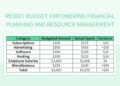
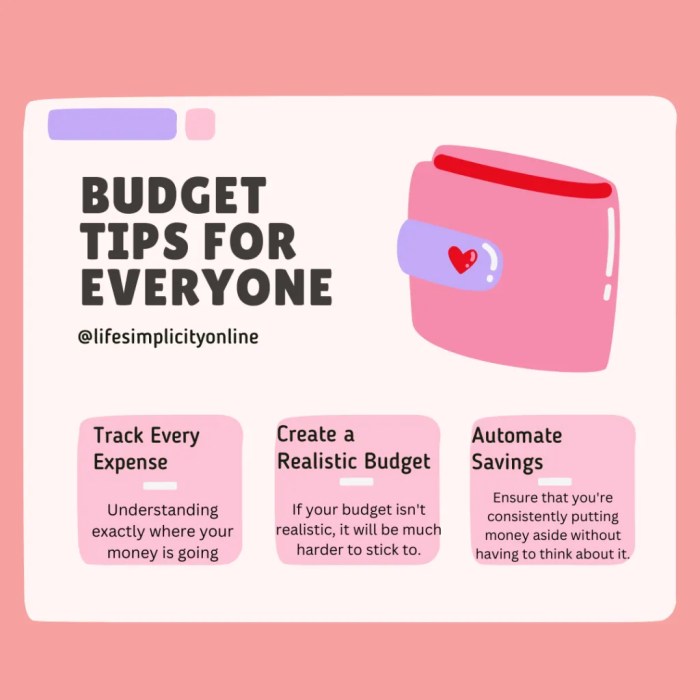
Creating a budget is essential for managing your money effectively and reducing financial stress. By setting financial goals and tracking expenses, you can stay on top of your finances and work towards a more secure financial future.
Methods to Create a Budget
- Traditional Budgeting: Assigning specific amounts to different expense categories based on income.
- 50/30/20 Rule: Allocating 50% of income to needs, 30% to wants, and 20% to savings and debt repayment.
- Zero-Based Budgeting: Giving every dollar a purpose, ensuring income minus expenses equals zero.
Examples of Budgeting Tools
- Personal Finance Apps: Mint, YNAB, and EveryDollar offer features to track spending, set goals, and create budgets.
- Spreadsheets: Excel or Google Sheets can be used to create customized budget templates for tracking expenses.
- Envelope System: Allocating cash to different envelopes for various spending categories to control expenses.
Importance of Setting Financial Goals within a Budget
Setting financial goals within a budget helps prioritize spending, save for emergencies, and work towards long-term objectives such as buying a home or retirement. By aligning your budget with your goals, you can stay motivated and focused on achieving financial success.
Effective Saving Strategies
When it comes to managing your money, saving is a crucial aspect that can help you achieve your financial goals. Here are some effective strategies to help you save more effectively:
Automating Savings
One of the easiest ways to save money is by automating your savings. Set up automatic transfers from your checking account to your savings account on a regular basis. This way, you can save without even thinking about it.
Paying Yourself First
Another effective strategy is to pay yourself first. This means setting aside a portion of your income for savings before you pay your bills or expenses. By prioritizing savings, you ensure that you are putting money away for your future.
High-Yield Savings Options
Consider exploring high-yield savings options such as online banks or money market accounts. These accounts often offer higher interest rates compared to traditional savings accounts, allowing your money to grow faster over time.
Smart Spending Habits
When it comes to managing your money wisely, developing smart spending habits is crucial. By following the 50/30/20 rule for budgeting, avoiding impulse purchases, and learning to prioritize needs over wants, you can achieve financial stability and peace of mind.
The 50/30/20 rule for budgeting involves allocating 50% of your income to necessities, 30% to discretionary spending, and 20% to savings and debt repayment.
Avoiding Impulse Purchases
Impulse purchases can quickly derail your budgeting efforts. To avoid falling into this trap, consider implementing strategies such as creating a shopping list before heading to the store, waiting 24 hours before making a big purchase, and setting a budget for discretionary spending each month.
Prioritizing Needs vs. Wants
It's essential to distinguish between your needs and wants when making spending decisions. Focus on covering your basic needs such as housing, food, and utilities before splurging on wants like designer clothes or fancy gadgets. By prioritizing your needs first, you can ensure financial security and avoid unnecessary debt.
Managing Debt Wisely
When it comes to managing debt, it's crucial to have a clear strategy in place to pay off what you owe efficiently and effectively. Two popular methods for tackling debt are the snowball and avalanche methods, each with its own approach to repayment.
Understanding interest rates and being able to negotiate with creditors are also key skills in managing debt wisely.
Snowball vs. Avalanche Method
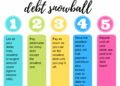
The snowball method involves paying off your debts from smallest to largest, regardless of interest rates. This approach can provide a sense of accomplishment by clearing smaller debts first, which may motivate you to keep going
Importance of Understanding Interest Rates
Interest rates play a significant role in how much you end up paying for your debts. Higher interest rates mean you'll be paying more over time, so it's essential to prioritize debts with the highest rates to minimize interest costs.
By understanding how interest rates impact your debt, you can make informed decisions about which debts to pay off first.
Tips on Negotiating with Creditors
Negotiating with creditors can help you secure better terms for your debts, such as lower interest rates or more manageable repayment plans. Be prepared to explain your financial situation honestly and provide any relevant documentation to support your case. It's also essential to stay calm and polite during negotiations, as maintaining a positive relationship with your creditors can lead to more favorable outcomes.
Building an Emergency Fund
Having an emergency fund is crucial for financial stability and peace of mind. It serves as a safety net for unexpected expenses that may arise.
Recommended Amount for an Emergency Fund
Financial experts generally recommend having at least 3 to 6 months' worth of living expenses saved up in an emergency fund. This amount can vary based on individual circumstances and risk tolerance.
Strategies to Save for Emergencies
- Set a specific savings goal for your emergency fund and allocate a portion of your income towards it each month.
- Avoid dipping into your emergency fund for non-essential expenses.
- Automate your savings by setting up recurring transfers to your emergency fund account.
- Cut back on unnecessary expenses to free up more money for savings.
Examples of Unexpected Expenses to Prepare for
- Medical emergencies or unexpected healthcare costs.
- Car repairs or maintenance.
- Job loss or unexpected reduction in income.
- Home repairs or appliance replacements.
- Legal expenses or unexpected taxes.
Last Recap
In conclusion, mastering these simple tips can pave the way for a more secure financial future, allowing you to take control of your money with confidence and ease. By implementing these strategies, you can alleviate the stress often associated with managing finances and pave the way for a more prosperous tomorrow.
FAQ Resource
What are some examples of budgeting tools to track expenses?
Popular budgeting tools include Mint, YNAB (You Need a Budget), and Personal Capital.
How much should I aim to save for an emergency fund?
Financial experts recommend saving at least three to six months' worth of living expenses.
What is the 50/30/20 rule for budgeting?
The 50/30/20 rule suggests allocating 50% of your income to needs, 30% to wants, and 20% to savings and debt repayment.
What is the difference between the snowball and avalanche method for paying off debt?
The snowball method focuses on paying off the smallest debt first, while the avalanche method prioritizes paying off debts with the highest interest rates first.
How can I prioritize spending on needs versus wants?
Creating a list of necessities versus discretionary expenses can help distinguish between needs and wants, allowing you to prioritize essential spending.